Disclosure: This post contains affiliate links, which means we may earn a commission if you purchase through our links at no extra cost to you.
Roasted Vegetable Buddha Bowl Recipe
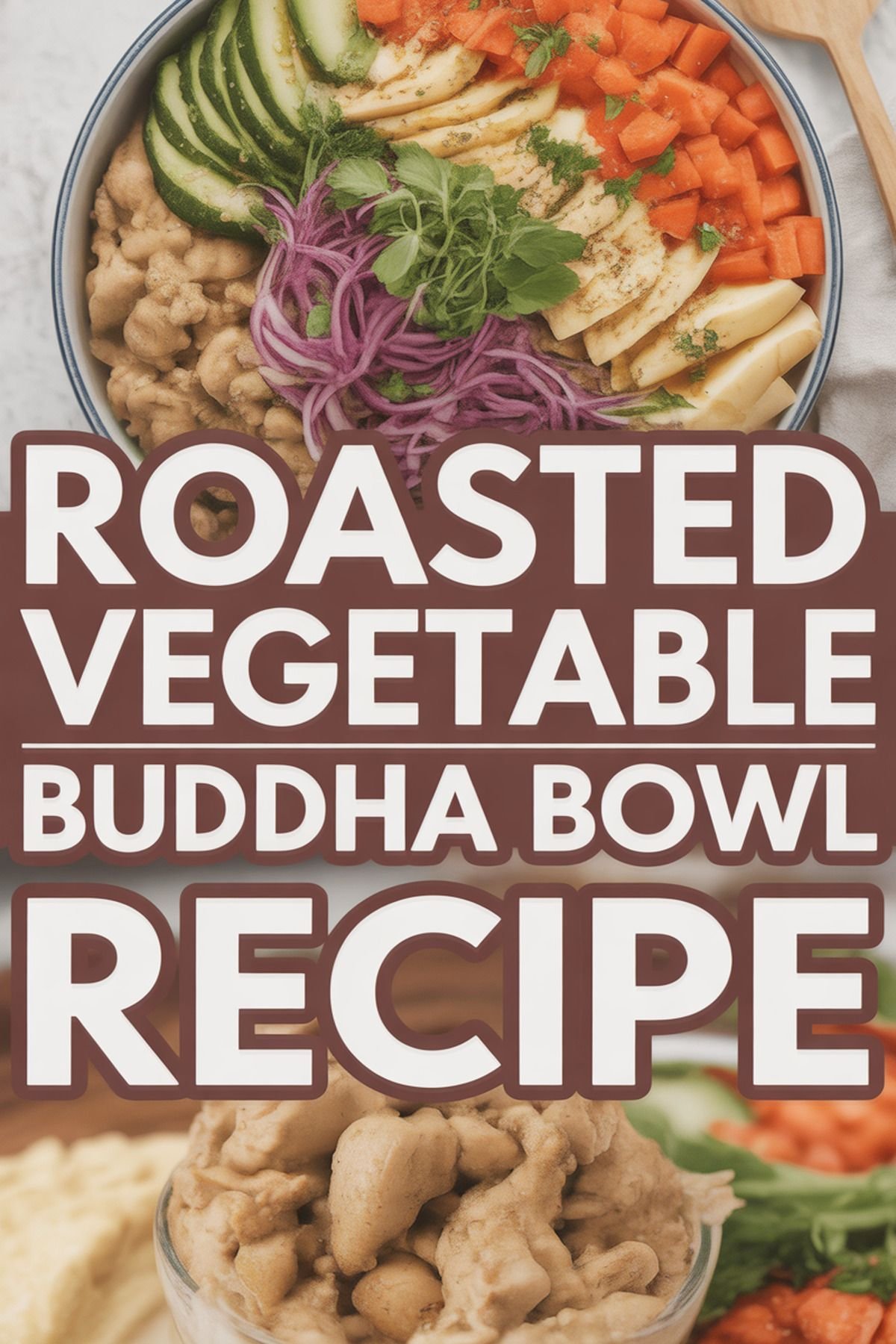
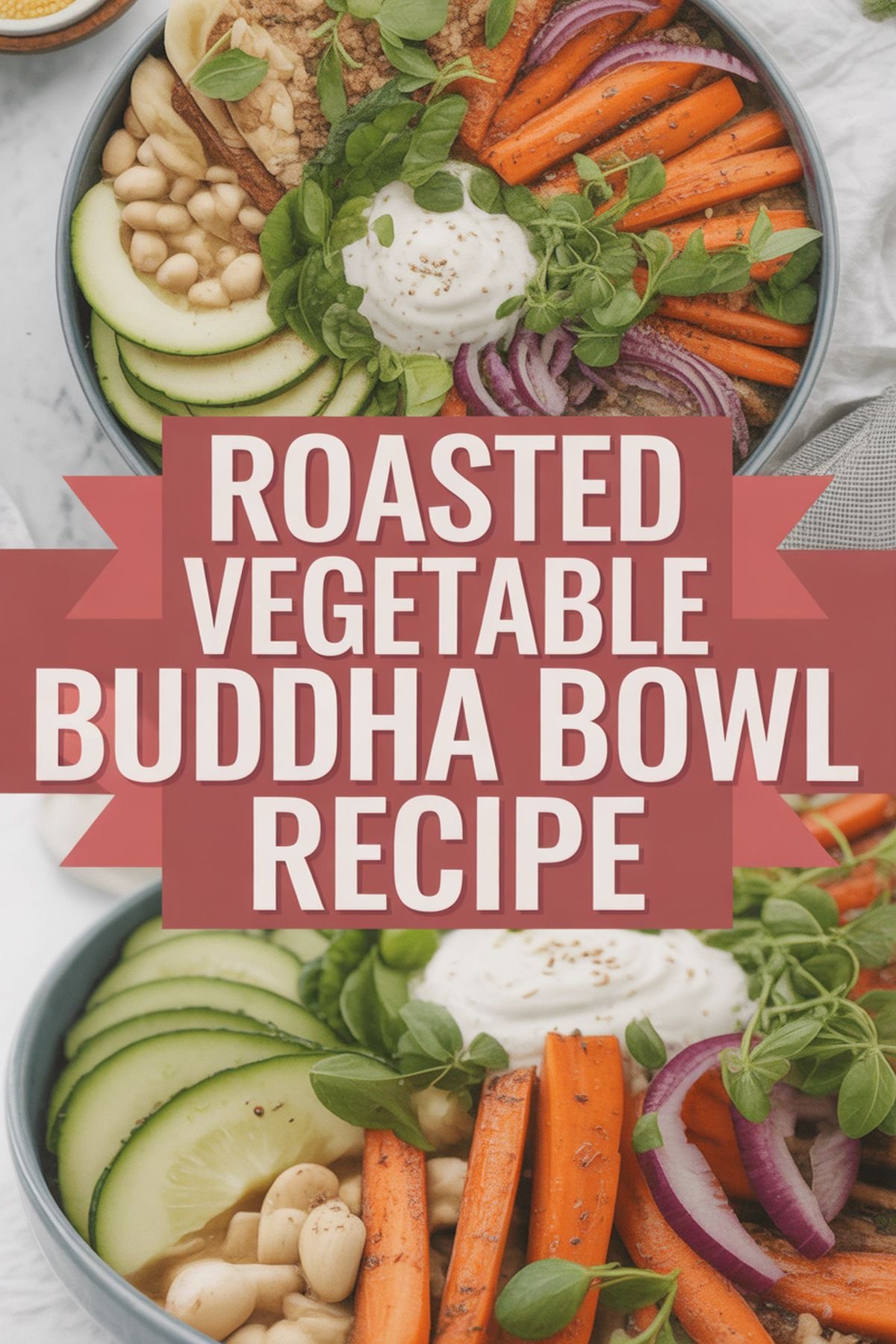
This roasted vegetable Buddha bowl has become a staple in my kitchen because it’s reliable, nourishing, and easy to customize. I often prepare it on weekends and enjoy it for weekday lunches or light dinners. The aroma of roasting vegetables fills the kitchen with a warm, earthy scent that makes the whole process inviting.
What makes this bowl special is the balance of textures and flavors—the tender, caramelized veggies paired with fluffy grains and a tangy dressing. I usually serve it with a simple lemon-tahini sauce that adds creaminess without overpowering the natural flavors. It’s a satisfying meal that feels wholesome and fresh without being complicated.
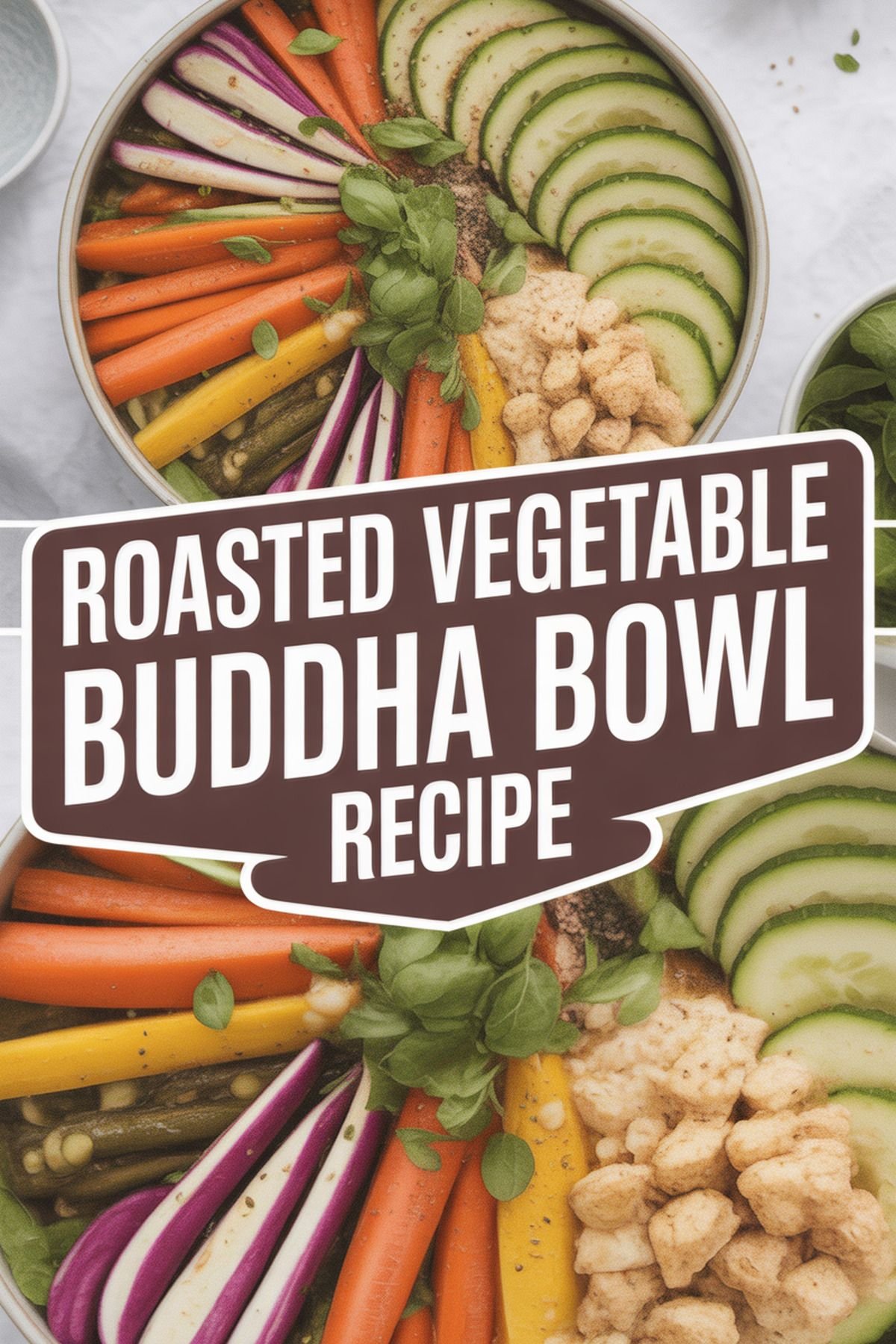
I appreciate how adaptable this recipe is; I swap in whatever vegetables I have on hand, making it a perfect way to use up produce. The roasted vegetables develop a slight sweetness and a bit of char, which contrasts nicely with the crispness of fresh greens or crunchy toppings. It’s a practical, colorful bowl that I come back to again and again.
Quick Facts
| Servings | 4 |
|---|---|
| Prep Time | 15 minutes |
| Cook Time | 30 minutes |
| Total Time | 45 minutes |
Why You’ll Love It
This roasted vegetable Buddha bowl is a versatile, wholesome meal that’s easy to prepare and packed with flavor. It combines roasted veggies, grains, and a simple dressing for a balanced dish you can enjoy any time.
- Uses simple, everyday ingredients
- Customizable with seasonal vegetables
- Balanced textures: tender, creamy, and crunchy
- Great for meal prep and leftovers
- Vegetarian and easy to make vegan
Ingredients
Gather fresh vegetables and pantry staples to build this bowl. The roasted veggies bring natural sweetness and depth, while the grains provide a hearty base. The dressing ties everything together with a bright, creamy finish.
- 1 medium sweet potato, peeled and cubed
- 1 red bell pepper, sliced
- 1 zucchini, sliced into half-moons
- 1 small red onion, cut into wedges
- 1 cup broccoli florets
- 2 tablespoons olive oil
- Salt and freshly ground black pepper, to taste
- 1 teaspoon smoked paprika
- 1 teaspoon ground cumin
- 1 cup cooked quinoa or brown rice
- 2 cups fresh baby spinach or mixed greens
- 1/4 cup tahini
- 2 tablespoons fresh lemon juice
- 1 tablespoon maple syrup or honey
- 1 garlic clove, minced
- Water, to thin dressing as needed
- Optional toppings: toasted pumpkin seeds, sliced avocado, chopped fresh parsley
Step-by-Step Instructions
Roasting the vegetables properly is key to developing their flavor and texture. While the veggies roast, prepare the grains and dressing. Then assemble the bowl by layering the grains, greens, roasted vegetables, and toppings.
- Preheat your oven to 425°F (220°C).
- In a large bowl, toss the sweet potato, red bell pepper, zucchini, red onion, and broccoli with olive oil, salt, pepper, smoked paprika, and cumin until evenly coated.
- Spread the vegetables in a single layer on a baking sheet lined with parchment paper.
- Roast for 25-30 minutes, stirring halfway through, until the vegetables are tender and slightly caramelized.
- While the vegetables roast, cook quinoa or brown rice according to package instructions and set aside.
- In a small bowl, whisk together tahini, lemon juice, maple syrup, minced garlic, and a pinch of salt. Add water a teaspoon at a time to reach a smooth, pourable consistency.
- To assemble, divide the cooked grains among four bowls. Top each with a handful of fresh spinach or mixed greens.
- Add the roasted vegetables on top of the greens.
- Drizzle each bowl with the tahini dressing.
- Finish with optional toppings like toasted pumpkin seeds, sliced avocado, or chopped parsley for extra texture and flavor.
- Serve immediately or store components separately for meal prep.
Chef Tips
To get the best results, follow these practical tips for roasting and assembling your Buddha bowl. They’ll help you save time and enhance flavor and texture.
- Cut vegetables into uniform pieces for even roasting.
- Don’t overcrowd the baking sheet; use two if needed to avoid steaming.
- Use high heat to get caramelization without drying out the veggies.
- Prepare the dressing while vegetables roast to save time.
- Add crunchy toppings last to maintain their texture.
Substitutions
This recipe is flexible, so feel free to swap ingredients based on what you have or prefer. Here are some easy substitutions that won’t compromise flavor.
- Use cauliflower or Brussels sprouts instead of broccoli.
- Replace quinoa with couscous, bulgur, or farro.
- Swap tahini for Greek yogurt or a nut butter for dressing.
- Use agave syrup or brown sugar instead of maple syrup.
- Try kale or arugula in place of spinach or mixed greens.
Storage & Reheating
Store your roasted vegetable Buddha bowl components properly to keep them fresh for later meals. Reheating is simple and maintains good texture if done right.
- Keep roasted vegetables in an airtight container in the fridge for up to 4 days.
- Store cooked grains separately to prevent sogginess.
- Refrigerate dressing in a sealed jar for up to 5 days.
- Reheat vegetables in a skillet or oven to retain crisp edges.
- Assemble bowls fresh before serving for best texture.
Perfect Pairings
This bowl pairs well with light sides and drinks that complement its fresh, earthy flavors. Consider these options to round out your meal.
- Crisp white wine like Sauvignon Blanc
- Simple green salad with lemon vinaigrette
- Warm pita bread or naan
- Grilled tofu or chickpea patties
FAQs
Here are answers to common questions about making and customizing this roasted vegetable Buddha bowl.
Can I make this recipe gluten-free?
Yes, use gluten-free grains like quinoa or rice and ensure all seasonings are gluten-free.
How do I store leftovers?
Store components separately in airtight containers in the fridge and assemble fresh when ready to eat.
Can I use frozen vegetables?
Frozen vegetables can be used but may release more water; roast at a higher temperature and watch closely.
Is this recipe vegan?
Yes, as written it’s vegan. Use maple syrup instead of honey to keep it vegan.
How can I add protein to this bowl?
Add cooked chickpeas, lentils, tofu, tempeh, or a boiled egg for extra protein.
Nutritional Note
This Buddha bowl provides a balanced mix of complex carbohydrates, fiber, and healthy fats. Nutritional values will vary based on ingredient choices and portion sizes.